The future of distribution
starts with understanding.
AI has revolutionised knowledge work. We believe it can have an equally large, or greater, impact on how modern societies distribute services.
More applications. Limited attention.
Distribution still depends on people sending thousands of applications, LinkedIn messages and emails to find a home, a job, a customer or the right service. Much of that outreach goes unread or gets a quick skim: the people receiving it are overwhelmed too.
Senders spend hours searching, tailoring messages and following up. Receivers spend hours sorting, screening and replying. Both sides put in enormous effort, often without reaching the person who would be the best fit.
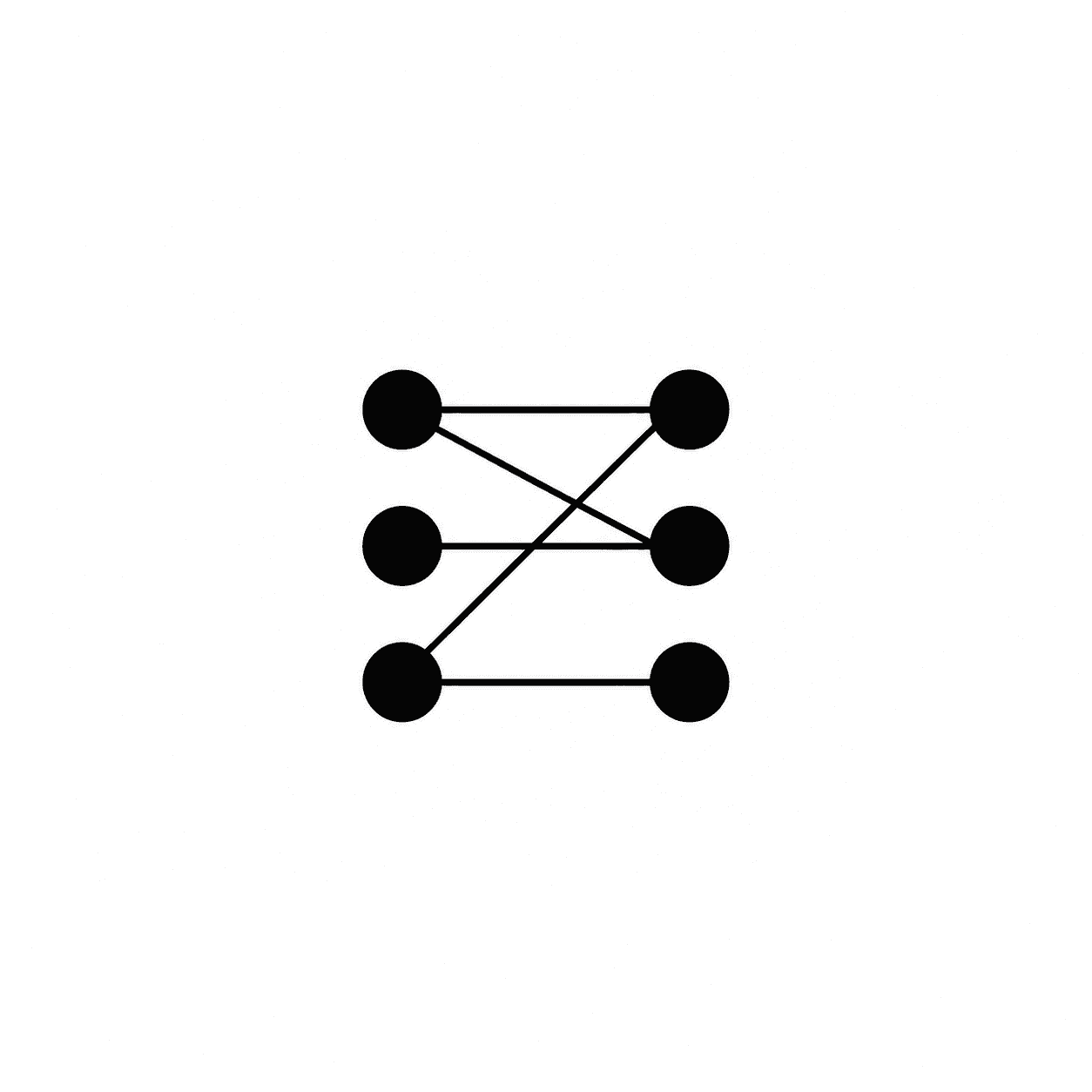
Imagine a market with 1,000 participants on each side. There are one million possible pairings. Nobody has time to consider them all, so people work with a small, uneven slice of the market. Good possibilities can go unseen.
AI makes outreach cheaper. It also makes it easier to flood the other side with applications, and to automate the work of reviewing them. Volume grows, but a fuller understanding of the people involved does not necessarily follow.
Understand the whole picture.
We believe a new kind of institution can use AI to bring both sides of a market into one trusted network. Each participant shares what they need, what they offer and the circumstances that make a connection worthwhile.
A useful match needs more than keywords. Preferences, constraints, timing and the reasons behind them all matter. It should make sense for both parties, with room for the nuance that a search filter or a standard application misses.
A few connections, chosen with care.
Our ambition is to return a small number of well-considered introductions, with a clear explanation of why each could work. People should be able to trust that the possibilities have been considered carefully, while keeping the final choice themselves.
We see this approach applying to housing, recruiting, insurance, B2B sales, care, dating and any other bilateral market that works inefficiently on traditional human infrastructure.
Every outcome adds context.
An introduction is a starting point. Feedback about what worked, what did not and what changed can help a network understand its participants better and improve future recommendations.
This is the long-term direction for Istos. We will need to earn trust through useful outcomes, explain our choices and learn when we get them wrong.
Trust has to be built into the experience.
Our principles are consent, control and accountability. People should know what information they share, be able to correct it and choose whether to pursue an introduction. A recommendation should have reasons people can understand.
Today, Istos Housing starts with the information people choose to give us. Preferences and property records stay private. Renters can review a telephone interview’s draft before saving it, edit their search or pause it. Participants can delete their accounts.
First, a better way to find home.
Housing is where we begin. You can save rental preferences and register properties today. Matching and introductions are being developed.